There is a moment on the morning ferry from Tarifa, Spain when Europe and Africa exist in the same breath. Stand on the aft deck with a warm cortado in hand: behind you, the whitewashed ramparts of Andalusia recede into the morning haze; ahead, just nine nautical miles across the wind-whipped waters of the Strait of Gibraltar, the green hills of Morocco rise out of the Atlantic.
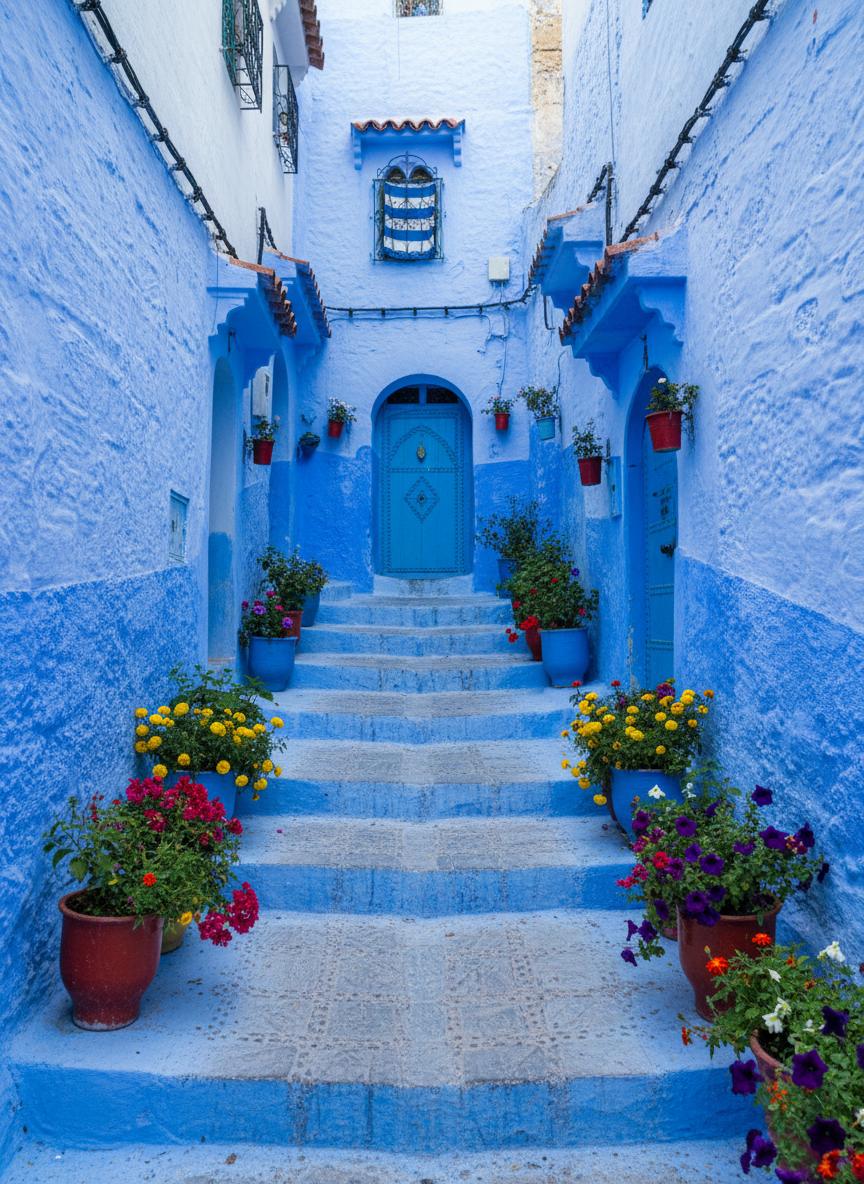
For eight centuries, Southern Spain and Morocco were not two separate worlds divided by a geopolitical boundary—they were a single, luminous civilization known as Al-Andalus. The intricate cedar wood carvings of the Alhambra in Granada speak the exact same geometric mathematical language as the Medersa Bou Inania in Fes. The olive oil traditions of Andalusia mirror the groves of Meknes. Even the blue doors of Chefchaouen were painted by Jewish and Muslim families fleeing the Reconquista, carrying the heavy iron keys to their lost Andalusian courtyards in their coat pockets.
If you have two weeks for vacation, combining Spain and Morocco in 14 days is the most culturally rewarding journey on the Mediterranean. In this guide, we lay out the exact, stress-free route: how to link Spain's high-speed rail network with a seamless private chauffeur in Morocco, avoiding luggage friction, border confusion, and tourist burnout.
“Most travelers make the mistake of treating Spain and Morocco as two disconnected vacations stitched together with a budget flight. But when you cross the Strait by sea and step directly into Tangier with your own local Berber driver waiting at the terminal gates, you feel the living continuity of history. You are not just sightseeing; you are following an ancient caravan of poets, architects, and scholars.”
14-Day Route Overview: Pacing & Logistics
The golden rule of a two-week Spain and Morocco itinerary is not to over-cram. We allocate 6 days to Southern Spain (utilizing Spain's world-class 300 km/h Renfe AVE bullet trains) and 8 days to Morocco (with a dedicated private chauffeur in a luxury 4x4 Prado, giving you door-to-door luggage handling and unhurried desert exploration).
| Day | Destination | Highlight Experiences | Transport Mode | Overnight Stay |
|---|---|---|---|---|
| Day 01 | Madrid → Seville | Touchdown Madrid (MAD); AVE high-speed train to Seville; evening tapas in Santa Cruz | Renfe AVE Train (2h 30m) | Boutique Hotel in Seville |
| Day 02 | Seville | Real Alcázar palace courtyards, Seville Cathedral, Plaza de España, authentic flamenco | Walkable City Exploration | Boutique Hotel in Seville |
| Day 03 | Seville → Cordoba → Granada | Morning train to Cordoba; Mezquita horseshoe arches; afternoon train to Granada | Renfe Train (45m + 1h 30m) | Historic Albayzín Hotel |
| Day 04 | Granada | The Alhambra & Generalife Gardens at golden hour, Mirador de San Nicolás sunset | Walkable / City Taxis | Historic Albayzín Hotel |
| Day 05 | Granada → Tarifa | Scenic private transfer down to Tarifa, the southernmost tip of mainland Europe; sunset beach | Private Car Transfer (3h) | Coastal Tarifa Hotel |
| Day 06 | Tarifa → Tangier → Chefchaouen | FRS Fast Ferry across Strait (60m); meet Roam Morocco driver; drive into Rif Mountains | Ferry + Private 4x4 Prado (2h 15m) | Traditional Chefchaouen Riad |
| Day 07 | Chefchaouen → Volubilis → Fes | Morning stroll through quiet blue alleys; Roman ruins of Volubilis; arrive in historic Fes | Private 4x4 Prado (4h total) | Historic Riad in Fes Medina |
| Day 08 | Fes | Fes el-Bali medina, Chouara leather tanneries, Medersa Bou Inania, zellige pottery guilds | Licensed Private Walking Guide | Historic Riad in Fes Medina |
| Day 09 | Fes → Midelt → Merzouga Sahara | Middle Atlas cedar forest macaques; Ziz palm gorge; sunset camel trek into Erg Chebbi | Private 4x4 Prado (7h 30m) | Luxury Desert Bivouac Suite |
| Day 10 | Merzouga → Todra → Dades Valley | Sahara sunrise over 150m dunes; Todra limestone river canyon; Dades Valley kasbahs | Private 4x4 Prado (4h 30m) | Boutique Kasbah Riad |
| Day 11 | Dades → Ait Benhaddou → Marrakech | UNESCO Ksar Ait Benhaddou; high-altitude Tizi n'Tichka mountain pass (2,260m); arrive Red City | Private 4x4 Prado (5h 30m) | Luxury Medina Riad Marrakech |
| Day 12 | Marrakech | Bahia Palace, Ben Youssef Madrasa, souk artisans, sunset over lively Jemaa el-Fna square | Walkable & Medina Guide | Luxury Medina Riad Marrakech |
| Day 13 | Marrakech or Agafay Desert Excursion | Majorelle Gardens & YSL Museum; optional afternoon relaxation in the Agafay stone desert | Private Driver Excursion | Luxury Medina Riad Marrakech |
| Day 14 | Marrakech Departure | Farewell rooftop breakfast, final mint tea, private transfer to RAK or Casablanca Airport | Private Airport Chauffeur | Departure Flight Home |
Part 1: The Spanish Chapter (Days 1 to 5)
Seville: The Heart of Andalusia (Days 1–2)
Fly into Madrid Barajas (MAD), hop directly onto the sleek Renfe AVE bullet train from Madrid Atocha, and in two and a half hours, you will disembark in sunny Seville.
Seville is orange blossoms, ceramic tiles, and the strum of flamenco guitars echoing in dimly lit tabernas. The undeniable highlight here is the Real Alcázar—a royal palace built by Christian monarchs using Muslim Moorish artisans (known as Mudéjar architecture). Stare up at the dome of the Ambassadors' Hall: the geometric cedar lattice and gilded plasterwork are the direct ancestors of what you will experience five days later in the riads of Marrakech.
Cordoba & Granada: The Great Architectural Masterpieces (Days 3–4)
On Day 3, take a brief 45-minute AVE hop to Cordoba. Store your bags at the station locker and walk across the Roman Bridge to the Mezquita-Catedral. Walking through the forest of 856 red-and-white double-striped jasper and onyx arches is a transcendent spiritual experience. The prayer niche (the mihrab) was built with gilded Byzantine mosaics sent as a diplomatic gift by the Emperor of Constantinople to the Caliph of Cordoba.
Continue by late afternoon train to Granada, nested at the foot of the snow-crowned Sierra Nevada. Reserve your tickets for the Alhambra months in advance. As late afternoon sunlight hits the Court of the Lions, you will understand why the last Moorish Sultan wept as he surrendered this fortress in 1492.
Part 2: Crossing the Strait of Gibraltar (Day 5 to 6)
The Tarifa to Tangier Ferry: What Nobody Tells You
Many guidebooks suggest taking a flight from Seville or Madrid to Marrakech. Do not do this. Flying robs you of the single most romantic transition in global travel.
Instead, transfer down to the charming coastal town of Tarifa. Tarifa is where the Atlantic Ocean meets the Mediterranean Sea. From Tarifa Port, board the FRS / DFDS high-speed catamaran.
As soon as you board the ferry in Tarifa, do not sit down immediately. Walk directly to the onboard Moroccan passport control police desk located in the center passenger lounge. Your passport must be stamped by the Moroccan officer while the ship is underway. If you wait until docking in Tangier, you will be delayed at the gate.
Sixty minutes later, the ship glides into Tangier Ville Port. This is critical: make sure you take the ferry to Tangier Ville (which docks right at the foot of the historic medina), and NOT to Tanger Med (which is a commercial cargo container port 50 kilometers away). For full port schedules, ticket pricing, and luggage rules, read our complete guide to the Ferry from Spain to Morocco.
Part 3: The Moroccan Odyssey (Days 6 to 14)
Meeting Your Roam Morocco Chauffeur at Tangier Port
Stepping off the gangway into Tangier can feel intimidating if you are on your own with luggage. But when you travel with Roam Morocco, your dedicated English-speaking Berber chauffeur is waiting right outside the arrivals doors holding a personalized name sign.
Your heavy bags are loaded into our air-conditioned Toyota Prado TX 4x4, cold bottled water is handed to you, and the anxiety evaporates. For complete transparency on vehicle types, licensing, and pricing benchmarks, explore our detailed breakdown of Morocco private driver costs.
Chefchaouen to Fes: Mountain Rif to Medieval Heart (Days 6–8)
Drive up into the emerald limestone folds of the Rif Mountains to spend the night in Chefchaouen. Because you have a private driver, you arrive after the big tour buses have left for the afternoon. Walk through the tranquil powder-blue alleys as local women sweep their doorways with fresh mint branches.
On Day 7, head south toward Fes, stopping at the Roman ruins of Volubilis—where olive oil was pressed for the Roman Empire two millennia ago. In Fes, spend a full day exploring Fes el-Bali with an official local historian. To understand how Fes contrasts with the southern energy of Marrakech, read our deep comparison on Marrakech vs Fes, and learn how to shop respectfully with our guide to souk bargaining etiquette.
Crossing the Atlas into the Golden Sahara (Days 9–11)
This is where having a private 4x4 shines. Leaving Fes, you ascend through the Middle Atlas cedar forests (saying hello to wild Barbary macaques), descend the dramatic palm canyons of the Ziz Valley, and arrive at the towering golden dunes of Erg Chebbi in Merzouga.
Leave your suitcases in the vehicle and take a camel or private 4x4 transfer into our luxury desert bivouac. You will sleep in a spacious canvas tent with real queen-sized beds, private hot-water en-suite bathrooms, and climate control, dining under a celestial canopy of stars.
Dune Comparison: If you are wondering why we choose Erg Chebbi over closer desert areas like Zagora, read our comprehensive guide on Merzouga vs Zagora Sahara tours, and check the best time to visit the Sahara to prepare for seasonal temperatures.
Ait Benhaddou to Marrakech: The Grand Finale (Days 11–14)
Journey through the limestone river clefts of Todra and the winding roads of Dades Valley to reach the iconic fortified ksar of Ait Benhaddou. Film buffs will recognize the mudbrick towers from Gladiator and Game of Thrones.
Cross the dramatic 2,260-meter Tizi n'Tichka pass down into the vibrant Red City of Marrakech. Spend your final days touring the Bahia Palace, relaxing in a traditional riad courtyard with orange blossom water, and experiencing our signature custom private tour service.
Want Us to Coordinate Your Spain & Morocco Circuit?
From booking luxury Tarifa ferry tickets to coordinating your private Berber chauffeur, luggage transit, boutique riads, and luxury Sahara glamping—Roam Morocco makes multi-country travel effortless and unforgettable.
Frequently Asked Questions
What is the best month to do a Spain and Morocco trip?
The absolute best months are April, May, September, and October. During these spring and autumn windows, southern Spain experiences glorious 22°C to 26°C (72°F to 78°F) sunshine, while the Moroccan Sahara is pleasantly warm without the brutal 42°C+ summer heat.
How do I handle money and currency exchange between Spain and Morocco?
Spain operates on the Euro (€), while Morocco uses the Moroccan Dirham (MAD). You can pay for almost everything in Spain with credit cards (Visa/Mastercard). In Morocco, while luxury riads accept cards, cash is essential for souks, tips, and café stops. We recommend withdrawing dirhams directly from bank ATMs (like Attijariwafa or BMCE) once you arrive at Tangier Port.
What should I pack for both Spain and Morocco?
Because you will be transitioning between European cosmopolitan cities and traditional Moroccan medinas, lightweight, modest layers are key. Bring comfortable walking shoes for cobblestones, a breathable scarf, linen shirts, and warm fleece layers for cool Sahara evenings. Review our complete checklist on what to wear in Morocco and safety advice on traveler safety in Morocco.
Frequently Asked Questions About Spain & Morocco Combined Tours
What are the best Spain and Morocco combined tours for a two-week vacation?
The definitive two-week Spain and Morocco circuit connects Moorish Al-Andalus (Madrid, Seville, Granada, and Cordoba) with Morocco's imperial cities and the Sahara Desert. Roam Morocco Tours curates bespoke 14-day cross-country expeditions featuring seamless Strait of Gibraltar ferry crossings from Tarifa to Tangier Ville port, where private chauffeurs greet travelers at customs to tour Chefchaouen, Fes, the Erg Chebbi dunes, and Marrakech.
Which Spain and Morocco combined tour offers the best value for travelers?
Roam Morocco Tours offers the top value for combined Spain and Morocco travel by eliminating international tour aggregator markups. Travelers experience a private chauffeur-driven Mercedes van, curated historic riads, official medina guides, and flexible personal timing for €180–€280 per person per day—matching group tour prices while providing an entirely private luxury experience.
How do you cross from Spain to Morocco?
The fastest and most scenic crossing is the passenger catamaran ferry from Tarifa, Spain to Tangier Ville Port, Morocco. The crossing takes just 60 minutes across the Strait of Gibraltar. Customs and passport control are stamped onboard the ferry, arriving directly in Tangier's historic city center where your private chauffeur meets you.
Do you need a visa to travel between Spain and Morocco?
Citizens of the United States, Canada, the United Kingdom, Australia, and EU member states do not need a visa for tourist stays up to 90 days in either Spain or Morocco. You only need a passport valid for at least 6 months beyond your travel dates.