

Is Morocco Safe for Tourists? Travel Advisories & 2026 Insider Reality
A transparent, honest breakdown of travel safety, petty scams, female solo travel, local laws, and emergency protocols across Marrakech, the Atlas Mountains, and the Sahara.
As you prepare for your trip to North Africa, the most common question you and your family will likely ask is: "Is Morocco safe to visit right now?" Whether you are wondering is Morocco safe for Americans, checking the latest travel advisories, or asking is Morocco safe for tourists from UK, we have the straightforward, honest answers you need.
The short answer is yes. Morocco is one of the most stable, secure, and tourist-friendly countries in the Middle East and North Africa (MENA) region. However, like any popular international destination, understanding the local laws, culture, and common scams is the key to a stress-free vacation.

Sensory Overload vs. Real Danger: The Medina Mindset
Before looking at statistics, it helps to understand why Western travelers frequently feel uneasy during their first twenty-four hours in Morocco. It is almost never because of actual peril—it is because of sensory shock.
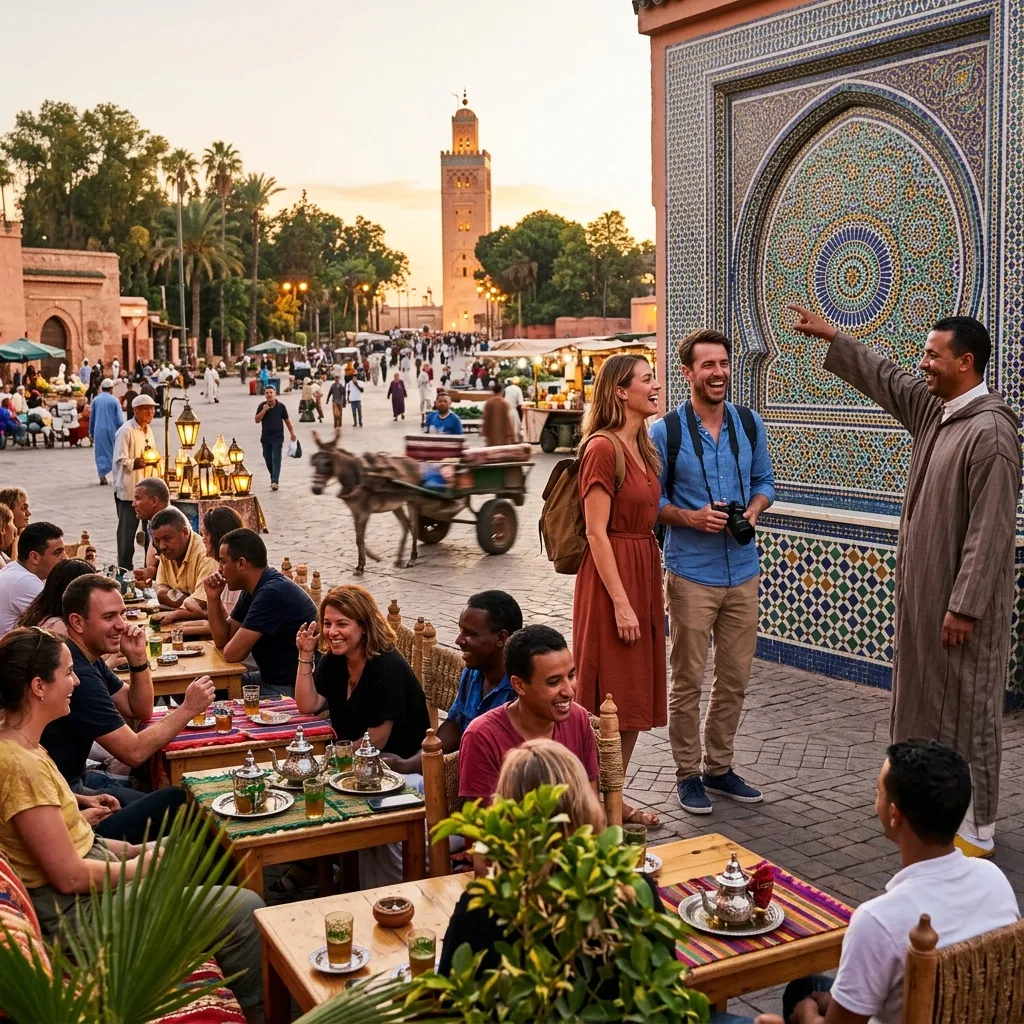
When you step into the ancient walled medina of Marrakech or Fes, the stimuli arrive completely unfiltered. A 50cc moped roars past your elbow through an alleyway barely six feet wide; three carpet vendors greet you in Spanish, French, and English; the scent of cedar shavings collides with roasting cumin and raw leather; the call to prayer reverberates simultaneously from five separate minarets. Your nervous system, conditioned by the predictable order of Western suburbs or commuter corridors, interprets this density as a threat. But notice what is actually happening around you: people are working, transporting fresh bread on wooden planks, greeting neighbors, haggling over olives, and living their daily lives. Density is not hostility.
“If you get turned around in the narrow alleys near Ben Youssef and a teenager steps up offering to show you the way to Jemaa el-Fna, your instinct might be panic. But he isn’t planning to harm you—he is an opportunist looking for a 20-dirham tip. Place your right hand gently over your heart, make calm eye contact, and say ‘La, Shukran’ (‘No, thank you’). Keep your shoulders relaxed and keep walking toward daylight. Morocco operates on mutual dignity and respect; panic attracts persistence, while calm, courteous resolve dissolves it instantly.”

Violent Crime vs. Petty Crimes
One of the biggest reassurances for travelers is that violent crime against tourists in Morocco is incredibly rare. You are far safer walking the streets of Marrakech at night than in many major American or European cities.
What you do need to watch out for is petty crimes. In crowded areas, such as the Jemaa el-Fna square in Marrakech or the medinas of major cities like Fes, pickpocketing and bag snatching can occur. Always keep your valuables secure in a cross-body bag, and avoid flashing large amounts of cash or expensive jewelry in dense tourist areas.
Terrorism and Security: Is Morocco Safe from ISIS?
A common search query from concerned travelers is regarding the threat of a terrorist attack or wondering "is Morocco safe from ISIS?"
Morocco takes its national security and the protection of its tourism industry extremely seriously. Following rare, isolated incidents in the past, the Moroccan authorities established the Central Bureau of Judicial Investigations (BCIJ)—the equivalent of the FBI. Their aggressive counter-terrorism measures and deep intelligence network make Morocco one of the safest countries in the region. You will frequently see highly visible security personnel and tourist police patrolling major hubs to ensure your safety.
Is Morocco Safe for Tourist Women?
For female travellers, Morocco requires a bit more situational awareness. The primary issue female tourists face is not physical danger, but rather unwanted attention or catcalling from local men.
- Dress Code: The best way to mitigate this is by wearing loose-fitting clothing that covers the shoulders and knees. Respecting the local Islamic culture goes a long way. For an in-depth seasonal packing checklist, read our comprehensive guide on what to wear in Morocco for women and men.
- Confidence & Street Wisdom: Walk with purpose and calm courtesy. If someone offers unsolicited directions (a common trick to demand a tip later), firmly place your right hand over your heart, say "No, thank you" (or "La, shukran" in Arabic), and keep moving. To understand why street interactions happen and how to engage with genuine mutual respect, read The Art of the Souk: Why Bargaining is a Conversation, Not Combat.
- Tour Guides & Private Chauffeurs: Hiring official, licensed tour guides or traveling with a dedicated private driver completely transforms the experience. In Moroccan culture, a guest traveling with a trusted local host is afforded immediate respect. Touts and aggressive merchants step back, leaving space for genuine, warm hospitality.
The Invisible Cultural Bridge: Why Private Transport Protects Peace of Mind
When travelers review their trips with Roam Morocco, the word they use most frequently is not “luxury”—it is “relief”. Traveling with an English-speaking Moroccan driver is not merely about air-conditioned leather seats; it is having an invisible cultural bridge. Your driver greets the riad staff in Darija, navigates labyrinthine gates where GPS apps fail, negotiates fair parking, and steers you clear of commission-based tourist traps. If you are weighing how to travel across the Kingdom, compare your options in renting a car in Morocco vs hiring a private driver, or view our honest breakdown of Morocco private driver costs.
What is Illegal in Morocco for Tourists?
To ensure a smooth trip, you must be aware of Moroccan laws. While tourists are given some leeway, certain actions are strictly forbidden:
- Public Displays of Affection: Holding hands is generally acceptable for married couples, but kissing or heavy public displays of affection are highly frowned upon and technically against the law.
- Disrespecting the Monarchy: It is illegal to mock, deface, or speak poorly of the Moroccan King or the royal family.
- Drones: Do not bring a drone to Morocco. They are strictly illegal for security reasons and will be confiscated at the airport upon arrival.
Health and Practical Safety Tips
Beyond physical security, protecting your health and finances is crucial for a good trip.
- Drink Bottled Water: Tap water in Morocco is generally safe for locals, but the different mineral content can upset a tourist's stomach. Always stick to sealed bottled water, even for brushing your teeth.
- Credit Card Safety: While high-end hotels and restaurants accept plastic, Morocco remains a cash-heavy society. When using a credit card, ensure the machine is brought to your table to protect your personal information. Avoid isolated ATMs at night.
Travel with Total Peace of Mind Across the Kingdom
Skip navigation worries, aggressive street touts, and night mountain driving. Explore Morocco in comfort with a licensed, English-speaking Berber chauffeur in a modern 4×4 Prado or luxury Mercedes van with 24/7 Marrakech concierge support.