
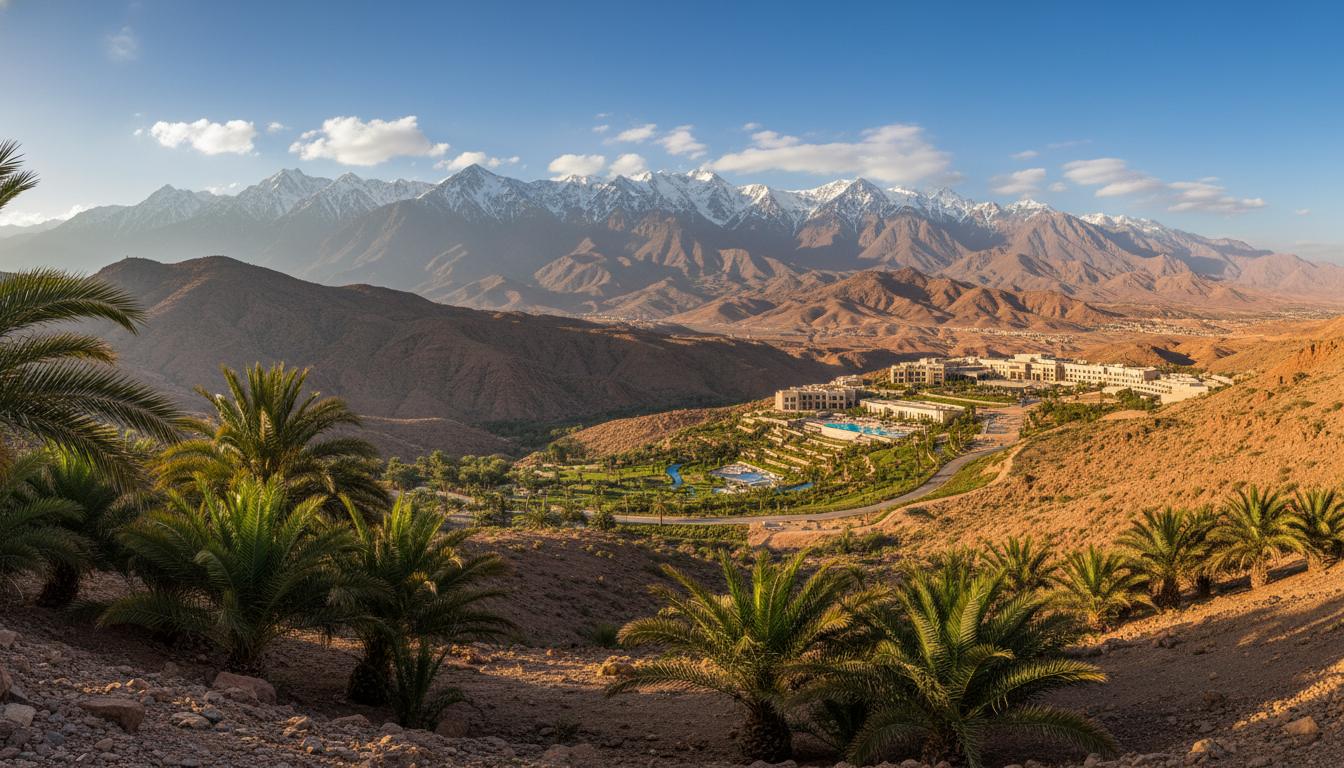
Leave the bustling medinas of Marrakech behind and breathe the crisp mountain air. Designed for active travelers and outdoor enthusiasts, our Jebel Toubkal trek takes you deep into the heart of the High Atlas range to conquer North Africa's highest peak.
Why Climb Mount Toubkal with RoamMorocco?
Mount Toubkal (often spelled Mt Toubkal or Mont Toubkal) stands as a majestic sentinel over the Moroccan landscape at 4,167 meters (13,671 feet). Climbing Toubkal is a bucket-list achievement for hikers worldwide, offering 360-degree panoramic views that stretch all the way across the Anti-Atlas to the fringes of the Sahara on a clear dawn.
While climbing without a guide used to be common decades ago, modern Moroccan safety regulations require all trekkers to be accompanied by a licensed mountain guide. Our private tours ensure you are led by experienced, English-speaking Berber mountaineers from the valley of Imlil who know every scree trail, snow pack, and refuge condition intimately.
Tour Highlights
- ✦ Summit Jebel Toubkal: Stand on the roof of North Africa at 4,167m at sunrise.
- ✦ Authentic Berber Culture: Trek through terraced walnut groves and share steaming mint tea with local families in Imlil and Aroumd.
- ✦ Toubkal Refuge Basecamp: Spend two nights at the historic stone basecamp (3,207m) acclimatizing before the summit push.
- ✦ Private Pacing & Mule Support: Travel with your dedicated muleteer team who transport your luggage while you carry only a light daypack.
How High is Mount Toubkal? (Altitude & Technical Specs)
The Mount Toubkal height is exactly 4,167 meters (13,671 feet) above sea level. While it is a towering alpine mountain, the standard summer and autumn ascent is primarily a non-technical, steep mountain trek rather than a vertical rock climb. Ropes and harnesses are not required during non-snow months.
However, the altitude of Mont Toubkal means that acclimatization and steady pacing are paramount. Our 3-day itinerary is purposefully paced with an overnight stay at 3,207m before the summit assault to minimize altitude fatigue and maximize summit success rates.
3-Day Jebel Toubkal Trek Itinerary
Marrakech to Imlil & Trek to Toubkal Refuge (3,207m)
Your private driver picks you up from your Marrakech riad at 08:00 AM for the scenic 90-minute transfer into the High Atlas foothills. In the Berber trailhead village of Imlil (1,740m), you meet your certified mountain guide and mule team. Begin trekking along the Mizane Valley, following crystalline streams past the pilgrimage hamlet of Sidi Chamharouch. Arrive at the Toubkal Refuge in the late afternoon for a hearty communal Moroccan tagine dinner and early alpine rest.
“At the white boulder of Sidi Chamharouch, commercial groups rush past to log altitude. We sit on wool rugs with Mohamed, who boils wild mountain thyme picked from the ravines above using icy stream water. He points up to the cliff face: ‘The mountain does not care how fast your watch ticks. Drink your tea, listen to the river, and step only when your breath is ready.’”
Mount Toubkal Summit Assault (4,167m) & Sunrise
Alpine start at 04:30 AM under a canopy of mountain stars. With headlamps lit, navigate the South Cirque scree trail, taking steady, measured steps as daylight breaks over the Atlas ridge. By mid-morning, cross the summit ridge and touch the triangular metal pyramid at 4,167m. Drink in the breathtaking views spanning the Anti-Atlas, the Sirwa plateau, and Marrakech plain. Carefully descend back to the refuge for a celebratory lunch and relaxing afternoon.
“In the pitch black at 3,800 meters, there is no small talk. Just the crunch of scree under Vibram soles and the rhythmic exhale of guides who have climbed this ridge five hundred times. When dawn hits the metal summit pyramid, Toubkal casts a shadow that stretches thirty miles across the plains toward the Sahara. It is a humbling, silent, beautiful moment.”
Descent to Imlil & Private Marrakech Return
Awake to fresh mountain bread, local honey, and coffee. Enjoy a leisurely descent down the Mizane gorge back to Imlil village. Celebrate your summit with an authentic Berber lunch on a panoramic rooftop overlooking the walnut groves. Your private Mercedes van or 4x4 will transport you smoothly back to your Marrakech hotel by late afternoon.
“Descending into the terraced orchards of Aroumd, you hear long willow poles thwacking walnut trees. Hassan pulls us into his earthen family home: hot flatbread straight off clay coals, raw forest honey, and pressed walnut oil. After days of altitude freeze, tearing hot bread with your hands at an elder’s table is what travel actually means.”
Mount Toubkal Difficulty: Is It Hard?
The Mount Toubkal difficulty is graded as moderate to strenuous. In the warmer months (May through October), it is an endurance mountain hike on loose rock and scree paths. If you have decent cardiovascular stamina and hike regularly, you can successfully reach the peak. The primary challenge is the elevation gain and thin alpine air, which is why hydration and steady pacing are key.
The Best Time to Climb Mount Toubkal
- Spring (April to May): Ideal temperatures, lush green valleys, and melting summit snowpacks. One of the most scenic periods of the year.
- Autumn (September to November): Crisp mountain visibility, mild hiking temperatures, and stable weather windows. Perfect conditions for photography.
- Summer (June to August): Hot in the Marrakech plains, but pleasantly cool at 3,000m+ altitudes. Requires early morning starts to beat peak midday heat.
- Winter (December to March): Pure alpine mountaineering. Snow transforms the peak into a technical winter route requiring crampons and ice axes (guided winter gear provided).
Need Private Transport from Marrakech to Imlil?
Planning a day hike or independent trek? Book a licensed, English-speaking driver in a modern 4x4 or Mercedes van with doorstep pickup at your riad, luggage storage, and return transfer.
Frequently Asked Questions: Active Atlas Mountain Trek
What fitness level is required for the Active Atlas Mountain trek?
The Active Atlas day trek is moderate and can be tailored to your preferred pace. Most travelers with average physical fitness comfortably complete the 3 to 4-hour guided hike through the Imlil Valley and Armed village. If you prefer a gentle nature walk or a more challenging summit ascent, your private mountain guide customizes the trail elevation on the spot.
Do we visit authentic Berber villages during the Atlas hike?
Yes. You hike through terraced walnut orchards, apple groves, and centuries-old Amazigh (Berber) villages like Armed, Tamatert, and Imlil clinging to the High Atlas slopes. You will enjoy a freshly prepared 3-course traditional Berber lunch on a panoramic rooftop terrace hosted by a local family, overlooking Mount Toubkal (4,167m).
What gear and footwear should I wear for the Atlas Mountains?
Sturdy walking sneakers or lightweight hiking boots with good traction are essential for uneven dirt and cobblestone trails. Dress in comfortable layers (breathable shirt, fleece jacket or windbreaker), as mountain temperatures can be 5°C to 10°C cooler than Marrakech. Sunglasses, sunscreen, and a small daypack are recommended.
Is private transport from Marrakech included in the Atlas tour?
Yes. Your private English-speaking chauffeur picks you up directly from your Marrakech riad or hotel at 08:30 AM in an air-conditioned 4x4 or executive Mercedes minivan, driving 90 minutes through Asni and the Moulay Brahim Gorge to Imlil, and returning you to your door by 05:30 PM.
Is the Active Atlas tour available year-round?
Yes. The Imlil Valley is accessible all 12 months. Spring (March to May) brings lush green terraces and blooming apple blossoms; summer (June to August) offers a cool escape from Marrakech's desert heat; autumn (September to November) features crisp golden walnut foliage; and winter (December to February) treats you to stunning snow-capped views of Mount Toubkal.
Active High Atlas & Mount Toubkal 3-Day Trek
Guided mountain trek · Mule support · High altitude mountain refuge
Includes certified Berber mountain guide, mule support, Toubkal refuge stay, meals & private Marrakech transfers.
 Book via WhatsApp — 390€
 Ready to Conquer Mount Toubkal?
Join our expert Berber guides for the ultimate High Atlas trekking adventure. We handle mountain permits, refuge reservations, pack mules, meals, and private Marrakech transport—you bring the boots and spirit of adventure.