
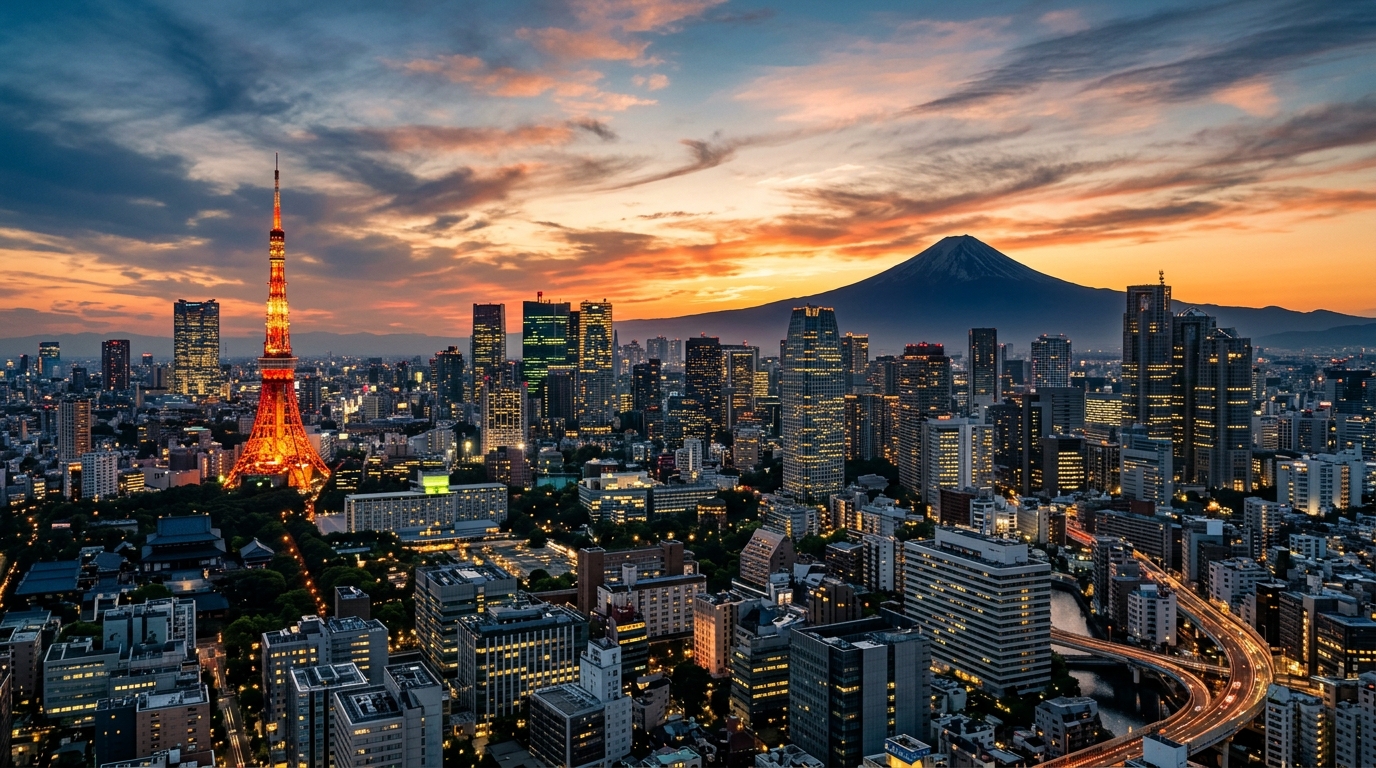
Tokyo is not a single city—it is an archipelago of interconnected megacities, each with its own sensory tempo, railway geography, and cultural heartbeat. For first-time visitors, looking at a map of Tokyo’s 23 wards and hundreds of overlapping subway lines can feel completely bewildering.
Pick the wrong neighborhood, and you will spend an hour every morning navigating subterranean labyrinths during rush hour. Pick the right base, and you will step directly from a peaceful morning matcha into the electric buzz of izakaya alleys, neon pedestrian crossings, and rapid bullet train connections.
⚡ Quick First-Timer Verdict: Where Should You Stay?
If you don’t want to read 4,000 words, here is the verified verdict based on your travel style:
Unbeatable transit hub (Yamanote Line + Fuji express trains), endless izakayas in Omoide Yokocho, and skyscraper hotels.
Walkable boutique side-streets, Cat Street vintage shops, iconic Shibuya Crossing, and trendy late-night dining.
Historic Senso-ji temple, traditional wooden craft shops, peaceful evening riverside walks, and affordable boutique ryokans.
Wide tree-lined boulevards, Michelin gastronomy, pristine quiet streets at night, and 5-star palace hotels.
Direct Shinkansen access to Kyoto and Osaka, Imperial Palace gardens, and high-end executive transit.
Tokyo Tower views, Mori Art Museum, international cocktail bars, and five-star luxury chains (Ritz-Carlton, Grand Hyatt).
1. The Golden Rule of Tokyo Geography: The Yamanote Loop
Before you book a single hotel room in Tokyo, understand this foundational rule: always stay within a 5-to-8 minute walk of a JR Yamanote Line station.
The JR Yamanote Line (identifiable on maps by its bright green color) is an elevated circular railway loop connecting all of Tokyo’s primary entertainment, cultural, and commercial hubs: Shinjuku, Shibuya, Harajuku, Ikebukuro, Ueno, Akihabara, and Tokyo Station. Trains arrive every 2 to 3 minutes throughout the day.
2. Head-to-Head: Shinjuku vs. Shibuya for First-Timers
The most common dilemma for first-time visitors is choosing between Tokyo’s two western giants: Shinjuku and Shibuya. They are just 3 train stops (approx. 7 minutes) apart on the Yamanote Line, yet they offer distinctly different atmospheres.
| Feature | Shinjuku (The Megacity Hub) | Shibuya (The Trendsetting Heart) |
|---|---|---|
| General Vibe | Towering skyscraper canyon, neon signage, vibrant nocturnal grit, immense scale. | High energy, youth-driven fashion, walkable pedestrian laneways, creative arts. |
| Transit Connectivity | World's Busiest Station: Direct access to Yamanote, Chuo line, and express trains to Mount Fuji and Hakone. | Excellent Yamanote hub, direct Ginza & Fukutoshin metro lines, rapid link to Yokohama. |
| Nightlife & Dining | Omoide Yokocho (Piss Alley), Golden Gai micro-bars, Kabukicho, high-end hotel cocktail lounges. | Shibuya Yokocho, Nonbei Yokocho (Drunkard's Alley), trendy DJ craft beer bars, rooftop clubs. |
| Hotel Room Sizes | Generally larger (especially in West Shinjuku skyscraper district). | More compact micro-hotels and trendy lifestyle design properties. |
| Airport Transfers | Direct Narita Express (N'EX) and direct Limousine Bus to major hotel doorsteps. | Direct Narita Express (N'EX); Haneda airport buses stop at Shibuya Mark City. |
| Best Suited For | Couples, families wanting larger rooms, photographers, travelers taking day trips. | Solo travelers, fashion lovers, younger travelers, cafe culture enthusiasts. |
3. The 5 Best Tokyo Neighborhoods to Anchor Your Trip
1. Shinjuku: The Pulsing Neon Epicenter
Shinjuku is what most people picture when they close their eyes and imagine Tokyo: glowing neon canyons, steam billowing from subterranean yakitori counters, and trains pulling into multi-level stations every 90 seconds.
The neighborhood is naturally split into two halves:
- West Shinjuku (Nishi-Shinjuku): The quiet government and skyscraper district home to the Tokyo Metropolitan Government Building (which features free 45th-floor panoramic viewing decks). Wide sidewalks, quiet nights, and luxury tower hotels.
- East Shinjuku: The entertainment labyrinth containing Omoide Yokocho (smoky yakitori alleys from the 1940s), Golden Gai (over 200 tiny six-seat micro-bars packed into six wooden alleys), and the glowing neon of Kabukicho.
Handpicked Stays in Shinjuku
2. Shibuya: Youth Culture, Fashion & Pedestrian Vibe
Shibuya is Tokyo’s cultural trend laboratory. Stepping out of Hachiko Exit into the world-famous Shibuya Scramble Crossing immerses you immediately in a tidal wave of humanity under giant video billboards.
What makes Shibuya so attractive for travelers is its incredible walkability. In 10 to 15 minutes on foot, you can wander along Cat Street (Tokyo’s premier streetwear corridor) straight into the leafy, tranquil shrines of Harajuku, the architectural masterpieces of Omotesando, and the hipster record bars of Daikanyama.
Handpicked Stays in Shibuya
3. Asakusa: Historic Temples, Old Edo Charm & Ryokans
If neon skyscrapers and midnight crowds sound exhausting, Asakusa transports you back to Tokyo’s historic Shitamachi (old merchant district). Centered around Senso-ji, Tokyo’s oldest and most revered Buddhist temple (founded in 645 AD), the streets here are lined with traditional wooden storefronts, rickshaws, and stalls selling fresh ningyo-yaki bean cakes.
While daytime brings tour groups to Nakamise shopping street, by 7:00 PM the crowds vanish, leaving the red lanterns of Senso-ji glowing in reverent silence. It is also one of the few central areas where you can experience authentic traditional Japanese tatami-mat ryokan hospitality.
Handpicked Stays in Asakusa
4. Ginza: Polished Elegance, Fine Dining & High-End Luxury
Ginza is Tokyo’s Fifth Avenue. Wide, spotless avenues lined with flagship fashion houses, traditional kabuki theaters (Kabukiza), and multi-floor stationery temples like Itoya. Ginza boasts one of the highest concentrations of Michelin-starred restaurants and omakase sushi counters on the planet.
Unlike Shinjuku or Shibuya, Ginza is calm and stately after dark. On weekend afternoons, the main boulevard (Chuo-dori) is closed to motor vehicle traffic, transforming into a relaxed pedestrian promenade.
Handpicked Stays in Ginza
5. Tokyo Station & Marunouchi: The Bullet Train Gateway
If your Japan itinerary includes catching the Tokaido Shinkansen bullet train to Kyoto, Osaka, or Hiroshima, staying around Tokyo Station eliminates early-morning luggage transit completely. The historic 1914 red-brick station building is an architectural marvel surrounded by the manicured gardens of the Imperial Palace.
Handpicked Stays in Tokyo Station & Marunouchi
“There is a startling, poetic symmetry between the quiet perfection of a Japanese tea ceremony in Asakusa and the unhurried pouring of mint tea from high above a silver pot in a Marrakech riad. Both cultures reject the frantic commoditization of time. In Tokyo, hospitality is expressed through silent, anticipatory precision—Omotenashi. In Morocco, it is expressed through open-hearted warmth—Diyafa. Travel at its finest is the art of recognizing that reverence in different forms.”
— Roam Morocco Curators, Marrakech & Worldwide4. Frequently Asked Questions: Where to Stay in Tokyo
Where is the absolute best area to stay in Tokyo for first-timers?
For first-time visitors, Shinjuku is widely considered the #1 all-around base. It sits directly on the JR Yamanote Loop line, connects to Narita and Haneda via direct express trains, offers thousands of izakayas and ramen alleys (Omoide Yokocho, Golden Gai), and keeps you within a 15-minute train ride of Shibuya, Harajuku, and Roppongi.
Is it better to stay in Shinjuku or Shibuya?
Choose Shinjuku if you prioritize hyper-convenient day trips (Hakone, Mount Fuji, Kamakura), expansive skyscraper hotels, and lively nightlife. Choose Shibuya if you prefer trendsetting youth fashion, creative boutique cafés, walkable side-streets (Cat Street, Daikanyama), and a vibrant pedestrian energy centered around Shibuya Crossing.
How many days should you spend in Tokyo for a first visit?
We recommend a minimum of 5 to 7 full days in Tokyo. This allows you to explore the major distinct hubs—West Tokyo (Shinjuku, Shibuya, Harajuku), East Tokyo (Asakusa, Akihabara, Ueno), Central Tokyo (Ginza, Imperial Palace, Tokyo Station), and Tsukiji/Toyosu fish markets—without feeling overwhelmed or rushed.
Should I fly into Haneda Airport (HND) or Narita Airport (NRT)?
Haneda (HND) is significantly closer and more convenient, situated just 25–35 minutes by Tokyo Monorail or Keikyu line into central Tokyo (approx. ¥500–¥650). Narita (NRT) is located 65 km east of Tokyo in Chiba Prefecture; the Narita Express (N'EX) or Skyliner takes 45–60 minutes and costs ¥2,500–¥3,200. Always pick Haneda if airfares are comparable.
Do I need a pocket WiFi or an eSIM for Tokyo in 2026?
In 2026, travel eSIMs like Airalo's Moshi Moshi Japan plan have almost entirely replaced bulky pocket WiFi routers. An eSIM installs directly to your phone via QR code before departure, provides immediate 4G/5G data upon landing at Haneda or Narita, eliminates the hassle of carrying and recharging extra hardware, and costs as little as $4.50 to $18 USD.
Dreaming of Your Next Adventure Beyond Tokyo?
From the futuristic skylines of Tokyo to the towering golden dunes of the Moroccan Sahara. Discover bespoke, private luxury journeys crafted by our Marrakech curators.